This walk starts at the end of River Road in Shoalhaven Heads and heads south through Comerong Island Nature Reserve to the Crookhaven River. You cross the sand at the river mouth, follow quiet tracks through coastal forest, and finish at a seat on the riverbank.
Shorebirds work the sand and estuary, bush birds fill the forest, and there's a spot for a swim near the end. It's flat, but long, so make a morning or afternoon of it.
At a glance
- Distance: About 13 km return
- Time: Allow 3.5 to 4.5 hours, plus stops
- Difficulty: Moderate (flat, but long, with soft sand and unsigned forks)
- Start: Car park at the end of River Road, Shoalhaven Heads
- Toilets: River Road car park, plus a basic toilet near the Crookhaven River
- Dogs: Not permitted
Top tips
- You can only do this walk when the river entrance at Shoalhaven Heads is closed.
- Walk on the wet sand. Shorebirds nest on the dry sand from August to March.
- Check the tides before you go. Around low tide there's more firm, wet sand to walk on.
- Bring water, snacks, a hat, sunscreen, insect repellent and tissues.
- There are no bins, so take your rubbish home.
- There's no lifesaving service on Comerong Island. Swim with care.
Before you go
Check the river entrance is closed. You can only walk onto Comerong Island when sand has closed the river mouth at Shoalhaven Heads. When the entrance is open, there's no way across on foot.
Check NPWS alerts for Comerong Island Nature Reserve on the NSW National Parks website.
Pack water and snacks. There's nowhere to buy anything once you leave the car park. Tissues are worth packing too.
Bring a hat, sunscreen and insect repellent.
Wear shoes you don't mind getting sandy or wet. Expect soft sand, and puddles on the track after rain.
Take water & snacks but remember to take your rubbish home. there are no bins on the walk
The route
A local’s guide to the route as we walked it. It’s not an official or signposted track, so check conditions before you go
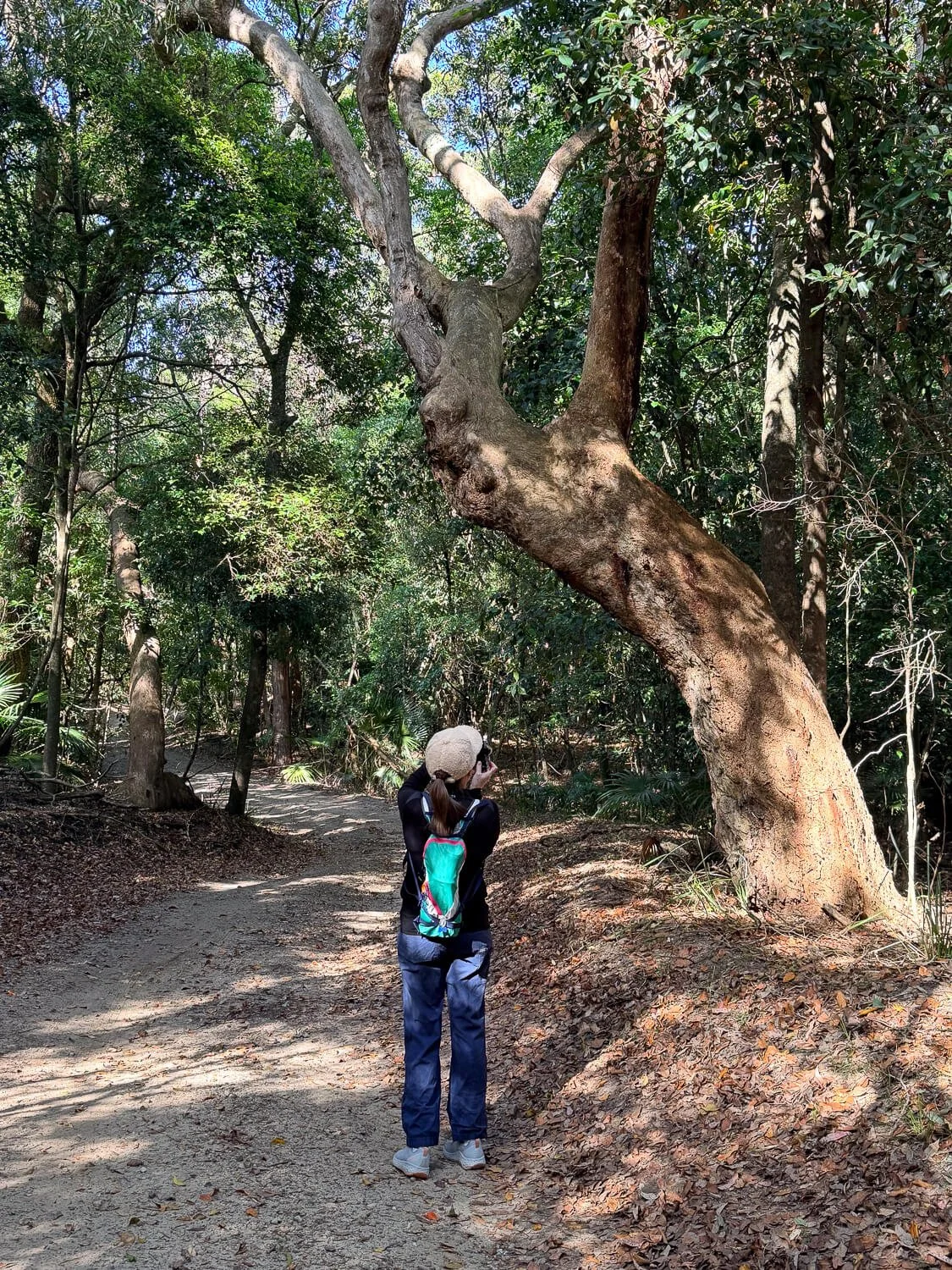
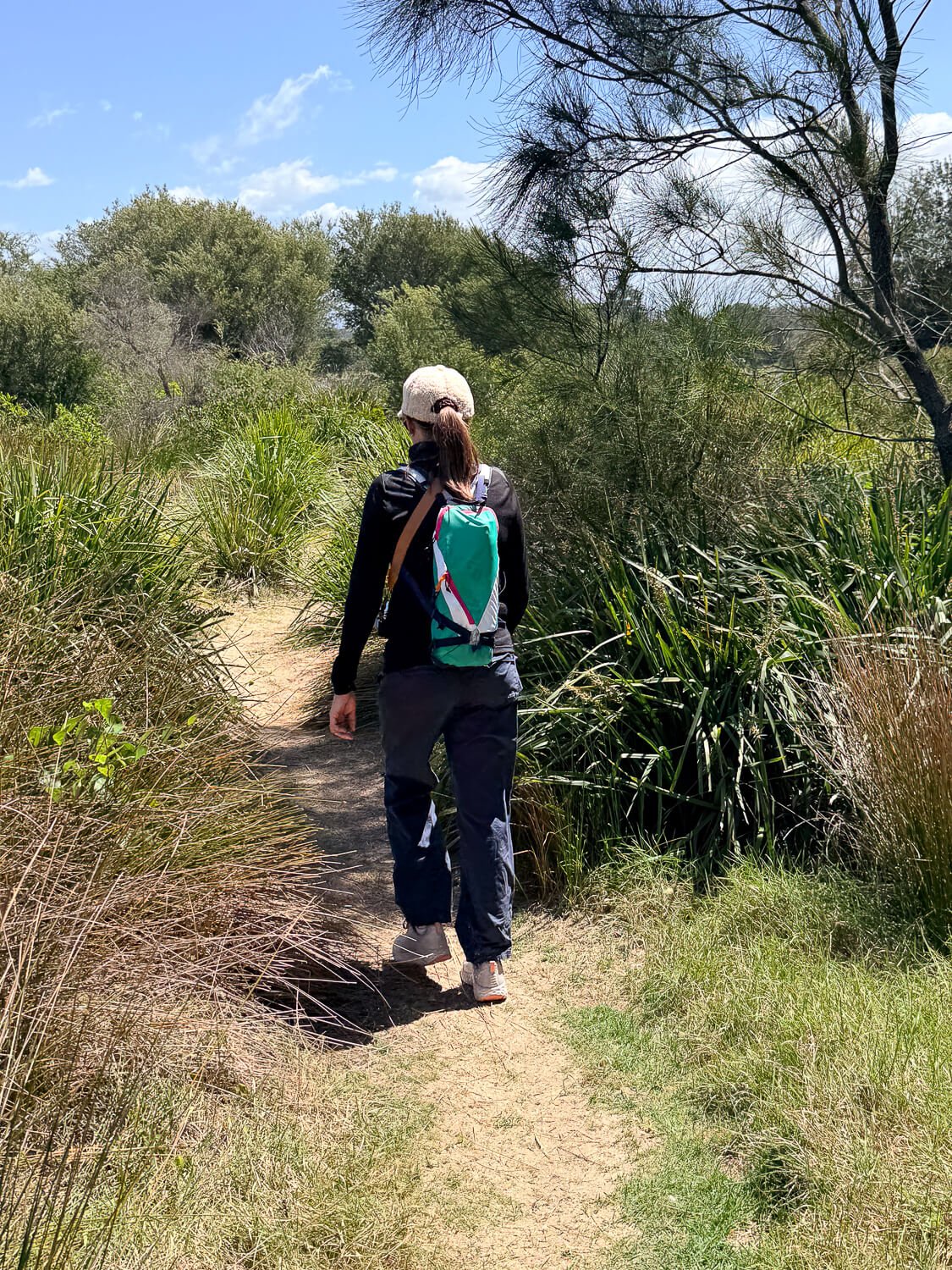
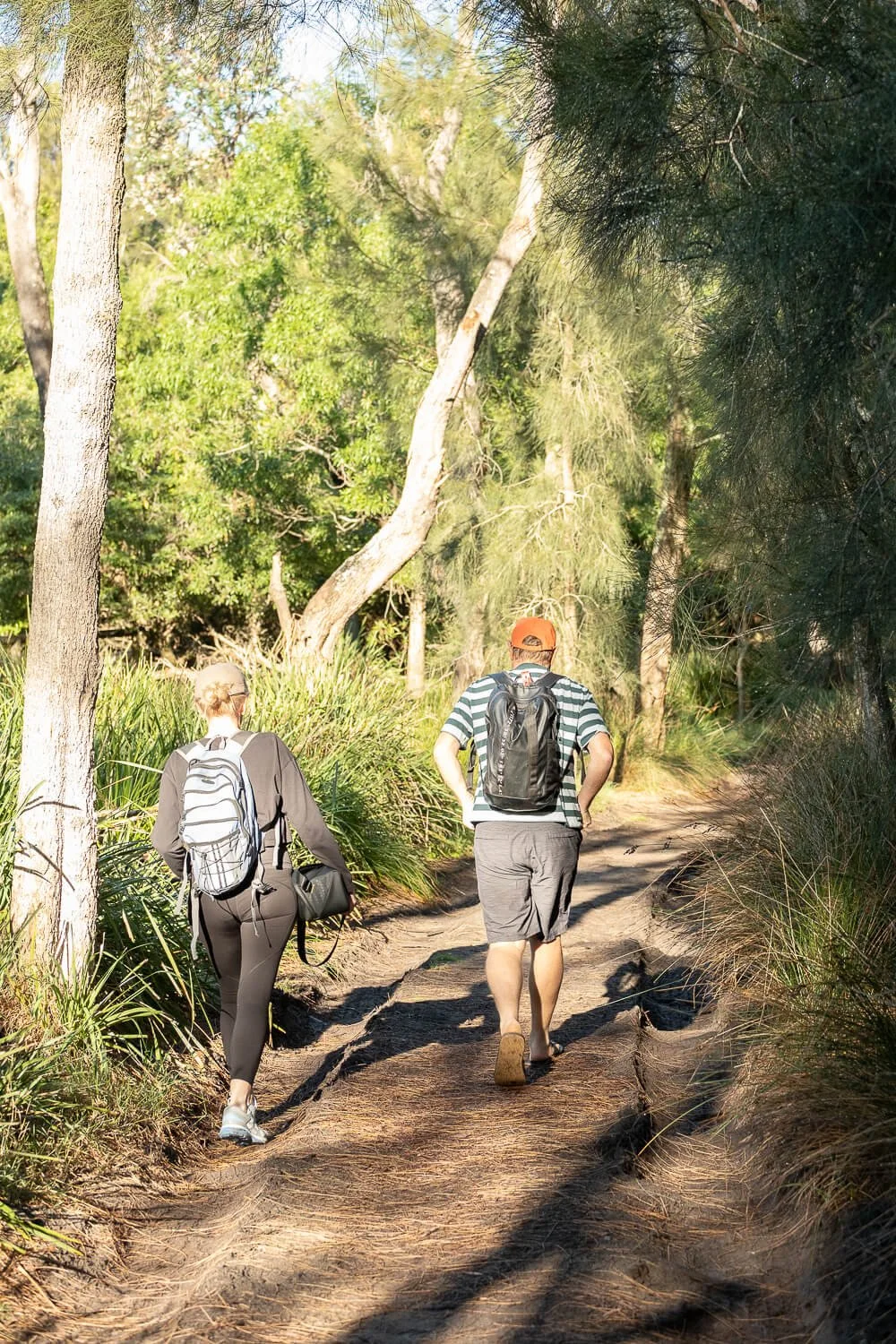
Through the reserve to the sand. From the car park, head south through the reserve towards the river. Several tracks wind through here; keep heading south and they all bring you out onto the sand.
Walk south along the beach. Keep to the wet sand, especially from August to March, when shorebirds nest on the dry sand.
Turn inland at the sign. About 1.6 km from the car park, watch for a sign facing inland, away from the water. Turn off the beach onto the track beside it.
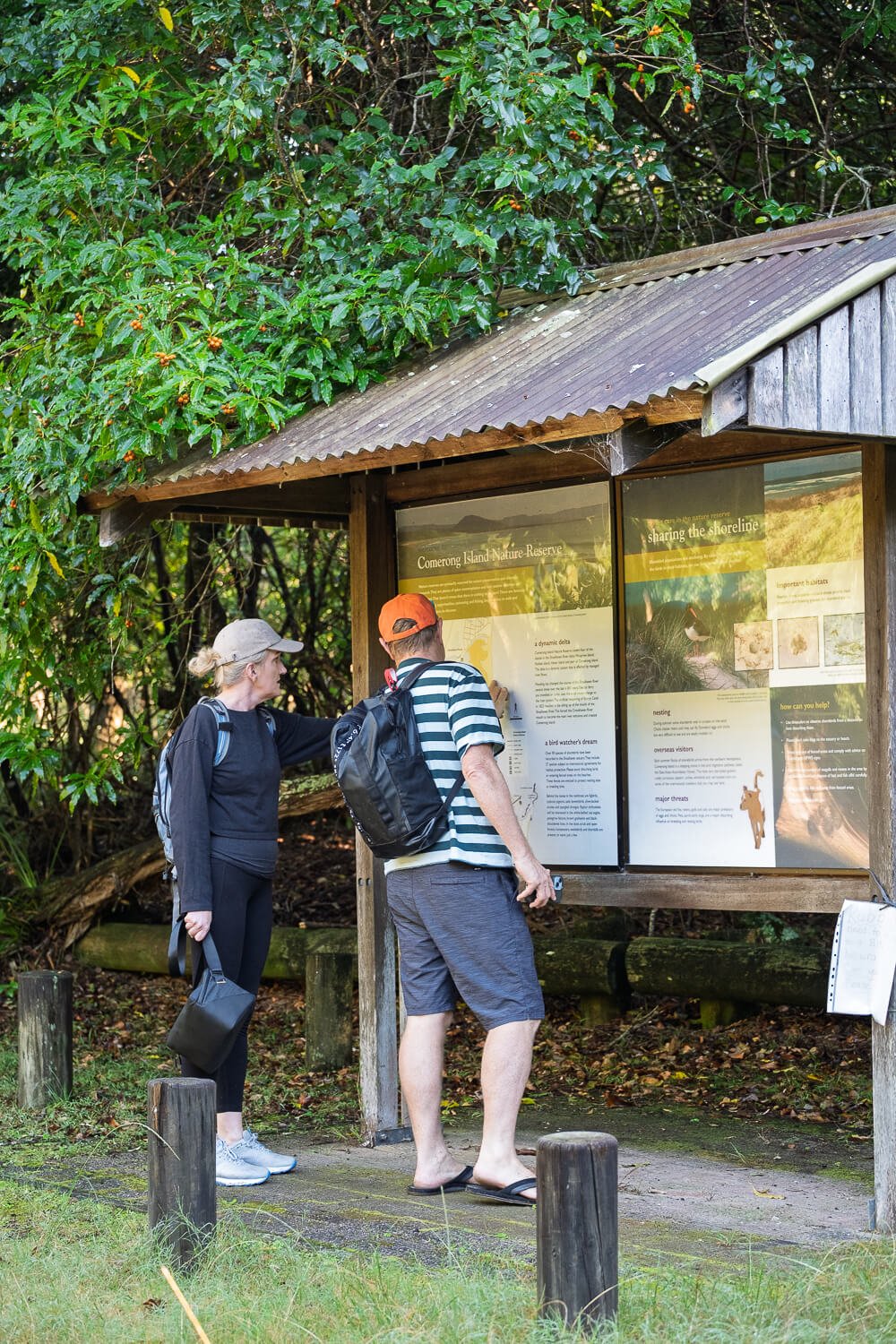
Turn left off the dirt track when you see the pine railing. Follow it until you reach a clearing that leads to a small dirt car park and information board.
From the infomation board. Walk out of the car park along the dirt road. At the fork, look for the nature reserve sign on the left-hand side and turn left.
Keep straight at the next fork. The left-hand track leads to another car park and beach access. Keep going straight, veering right.
Reach the Crookhaven River. Keep walking until you reach the river, where there's a seat for a rest and a drink.
Optional: on to the breakwall. From the seat, the track to the left takes you past a small swimming spot and on to the beach and the breakwall.
Heading back: retrace your steps. You can walk back along the beach instead, but that's several kilometres of soft sand, so the track is the easier way home.
What you Might see
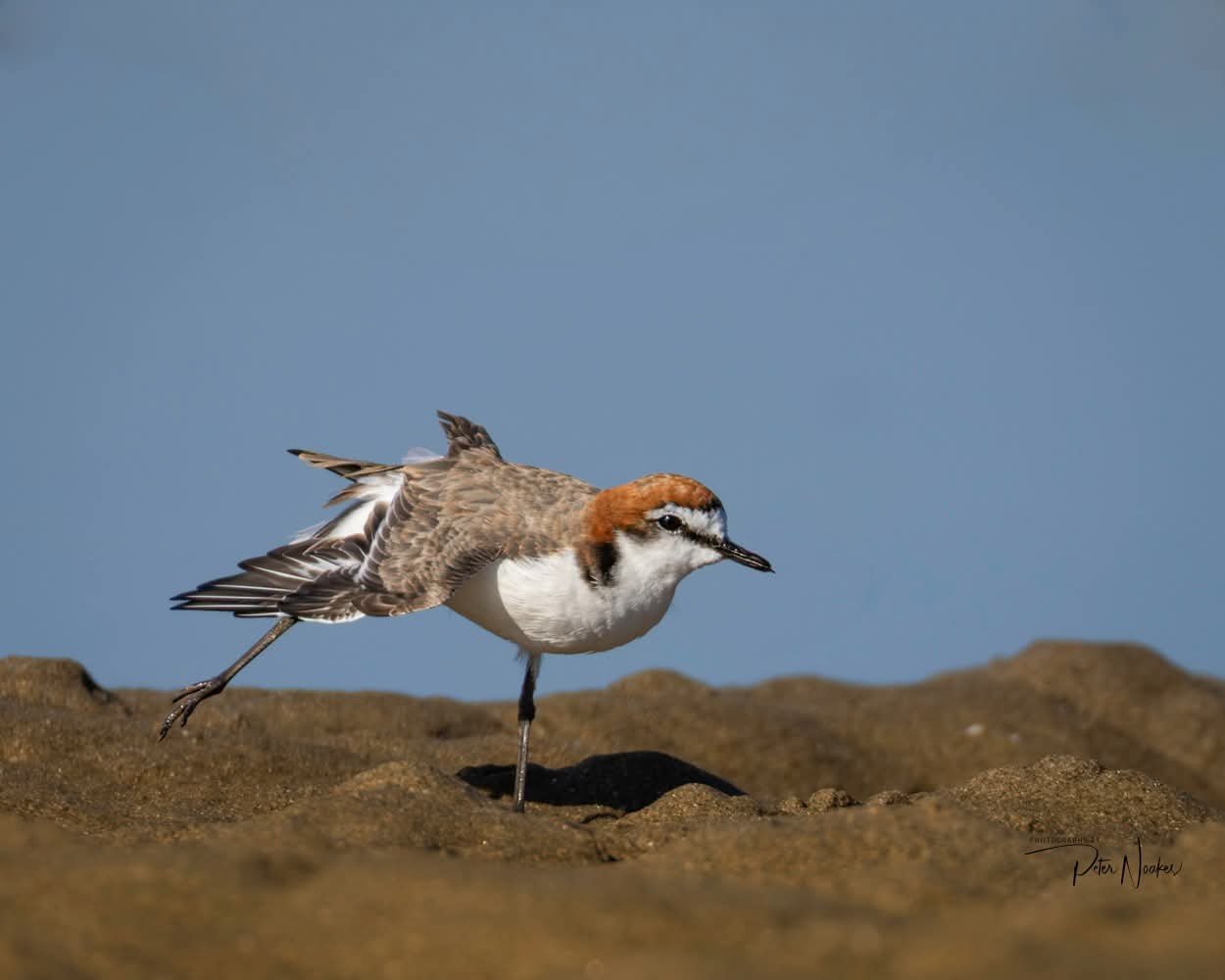
Shorebirds. The Shoalhaven Heads inlet is a feeding stop on the East Asian–Australasian Flyway. Migratory shorebirds such as Bar-tailed Godwits and Eastern Curlews are common from spring to autumn. Pied Oystercatchers, Red-capped Plovers and Little Terns breed here. For more on the local birds, see our guide to birdwatching in Shoalhaven Heads with Peter Noakes.
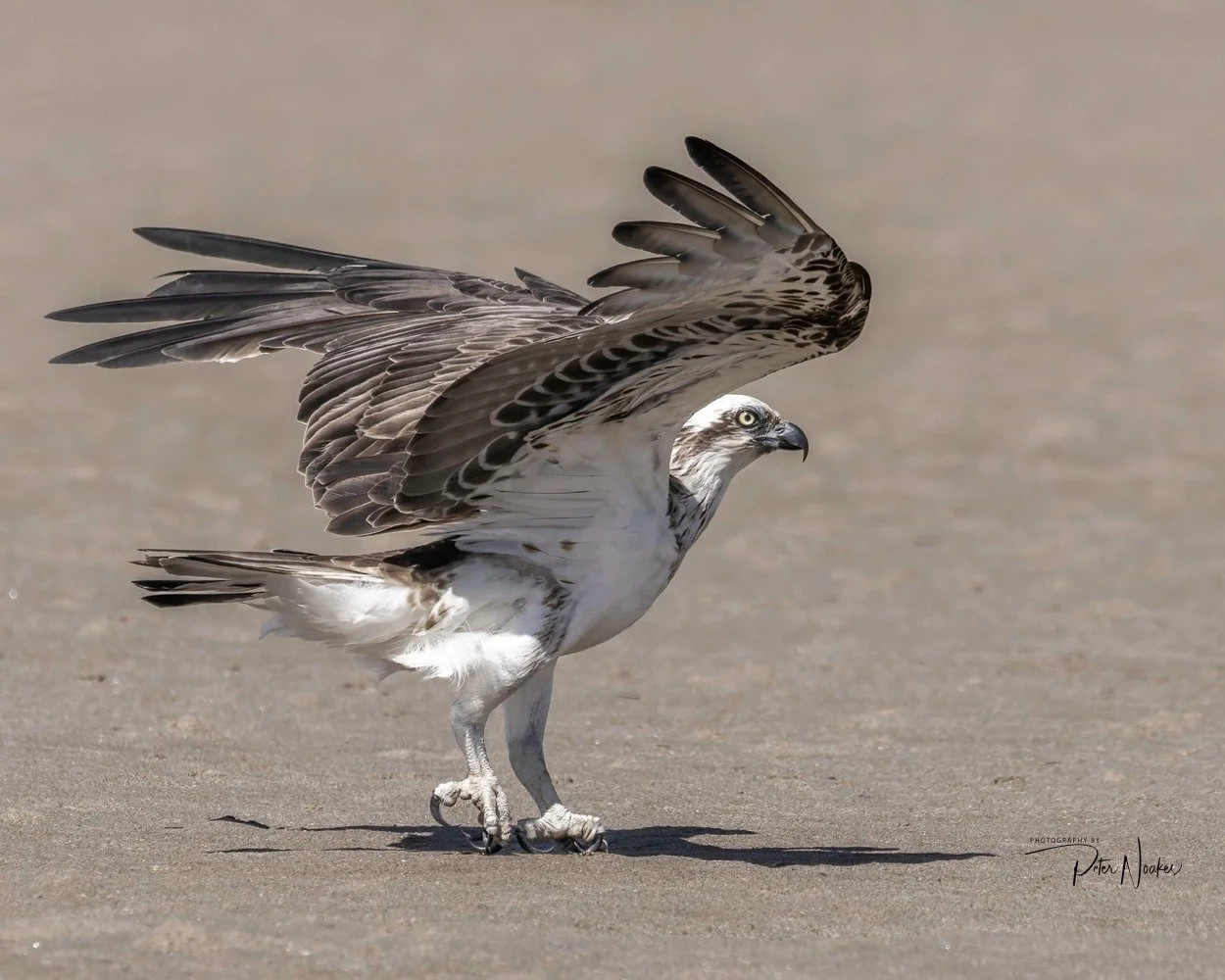
Raptors. Look up for White-bellied Sea-Eagles and Eastern Ospreys over the estuary.
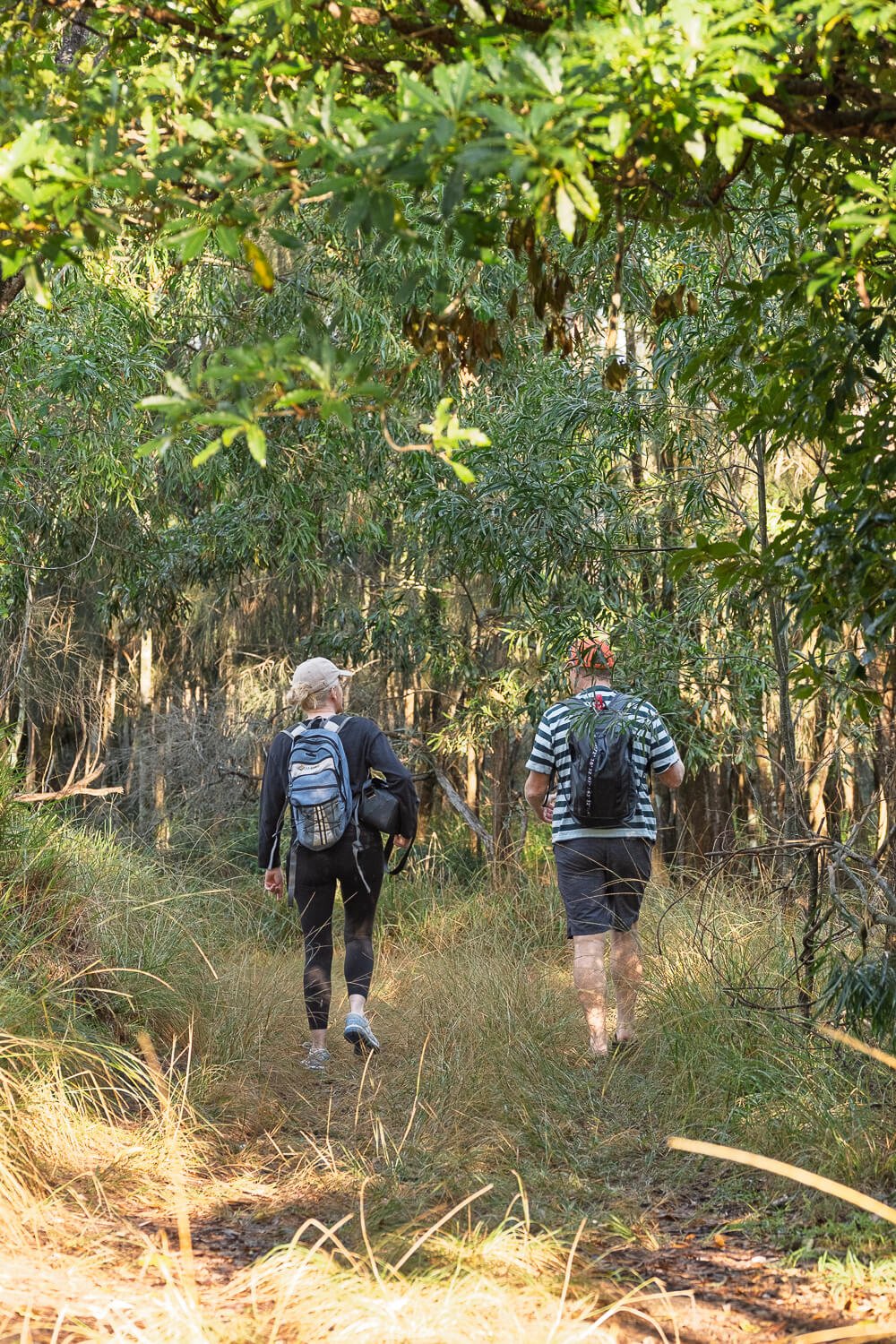
Forest birds. The forest tracks are full of birdsong.
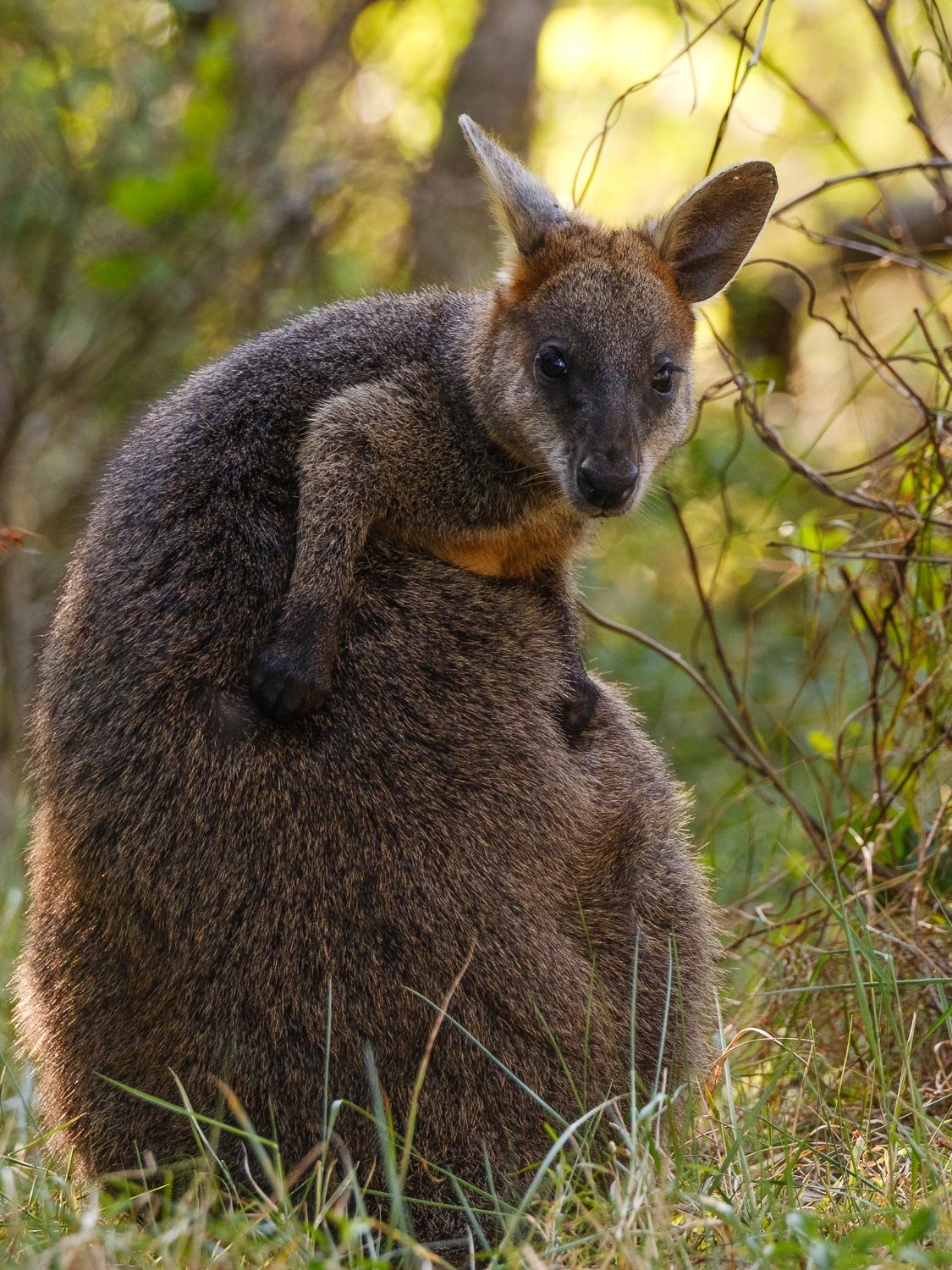
Swamp Wallabies. Keep an eye out for them along the way, they are common in Shoalhaven Heads and Comerong Island.
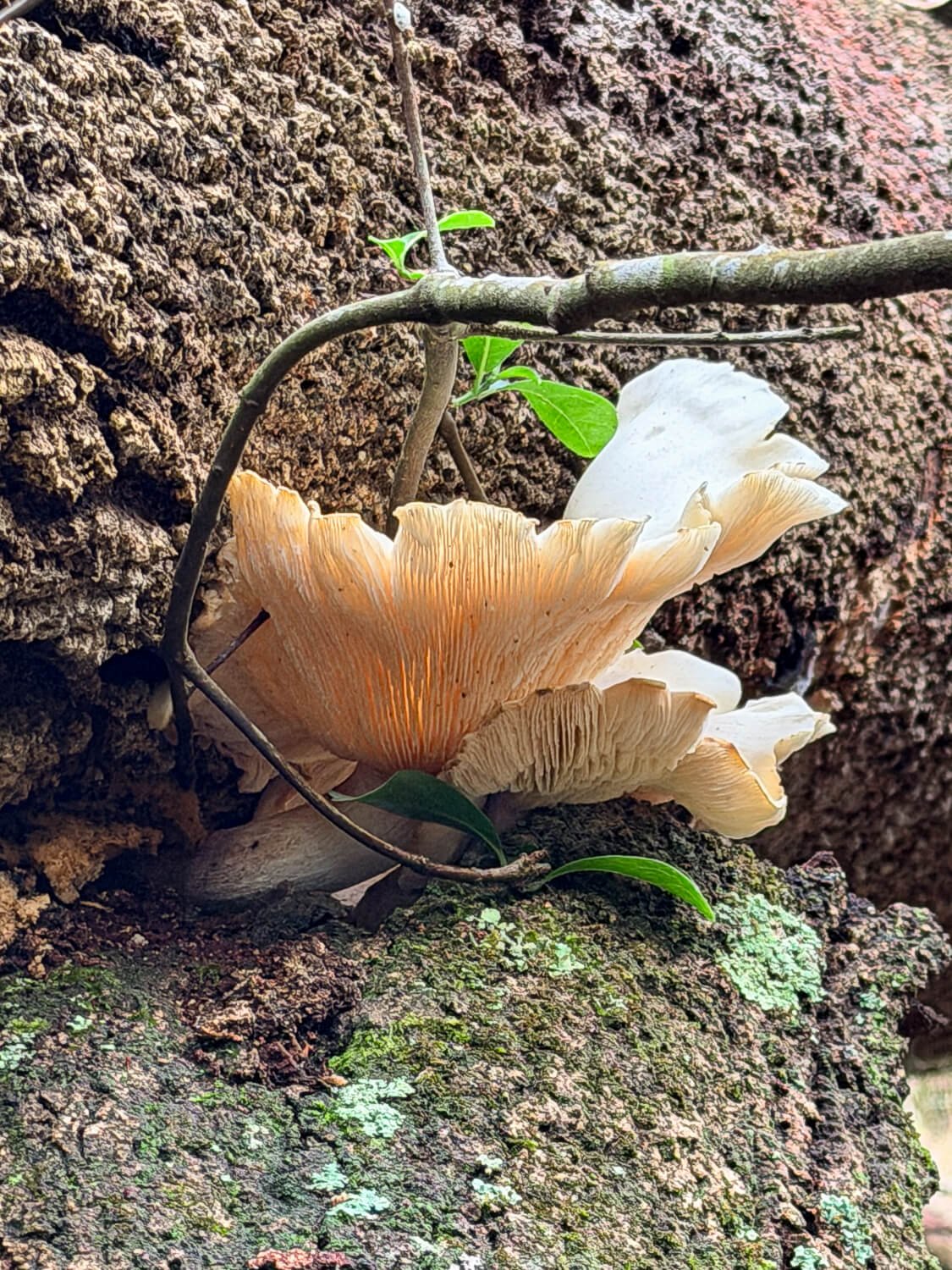
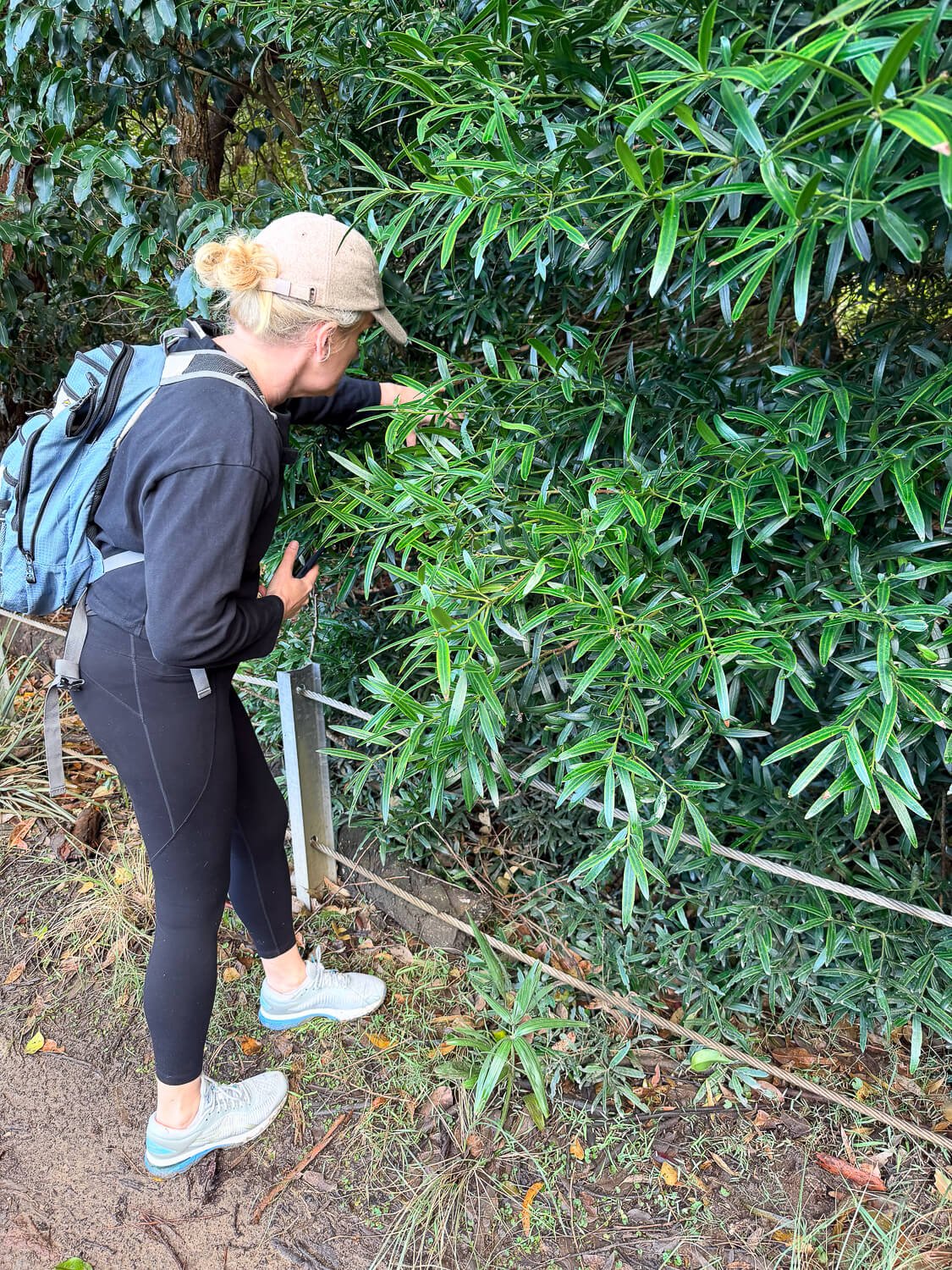
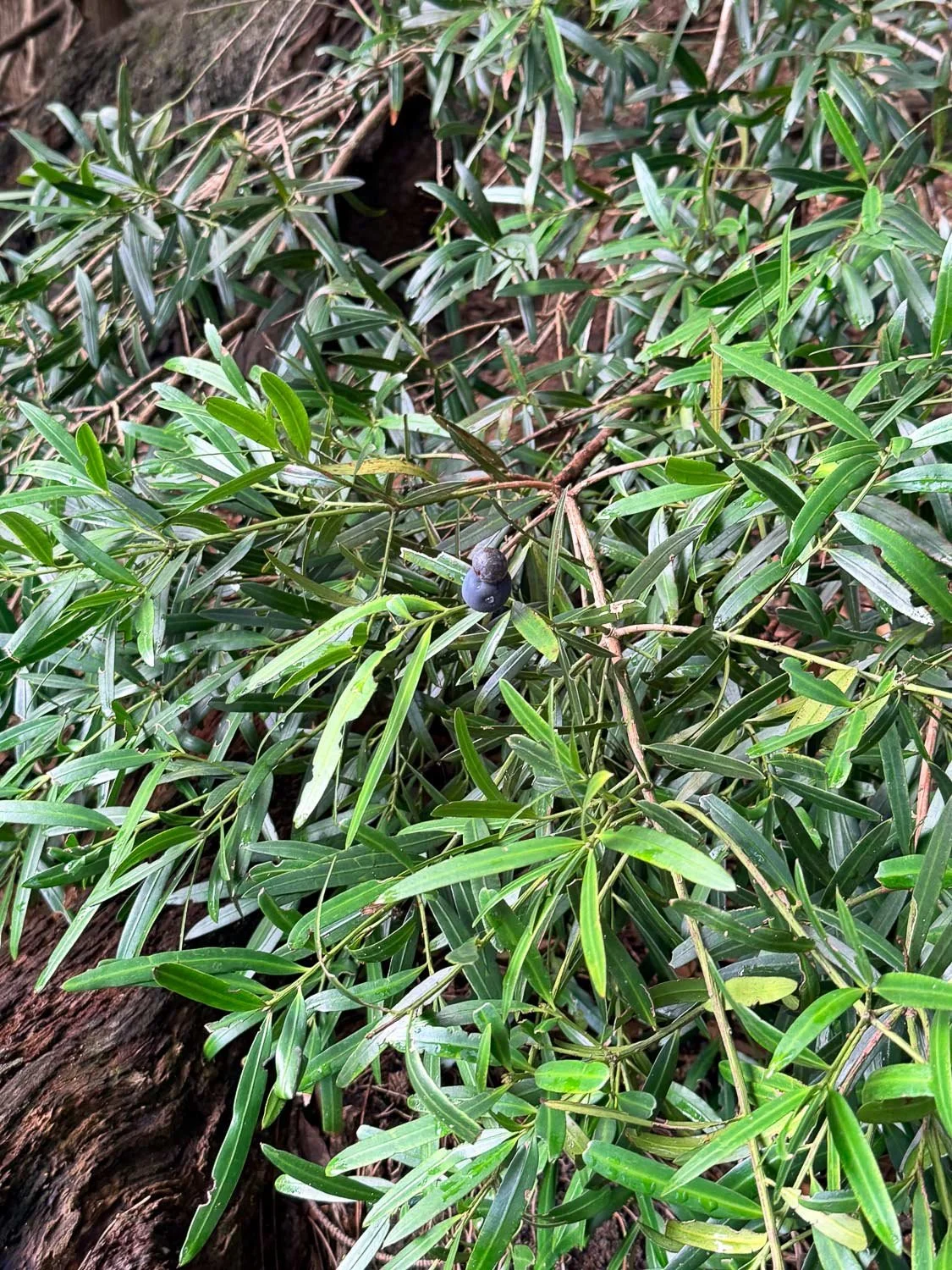
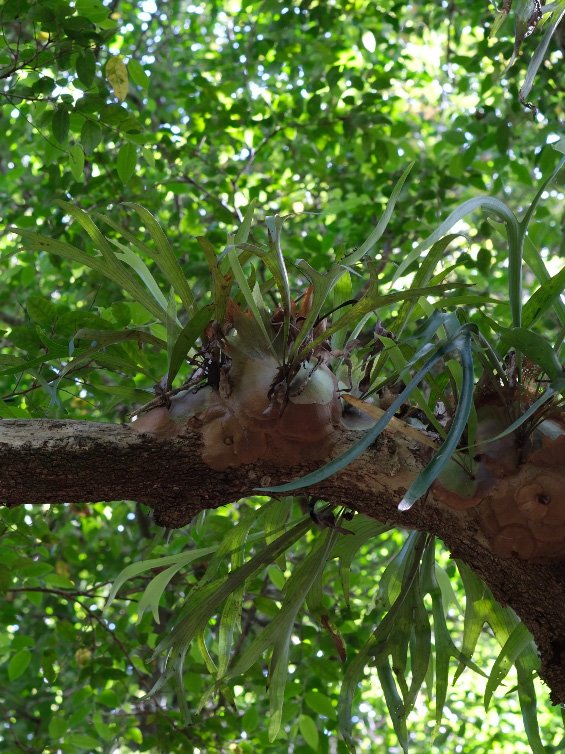
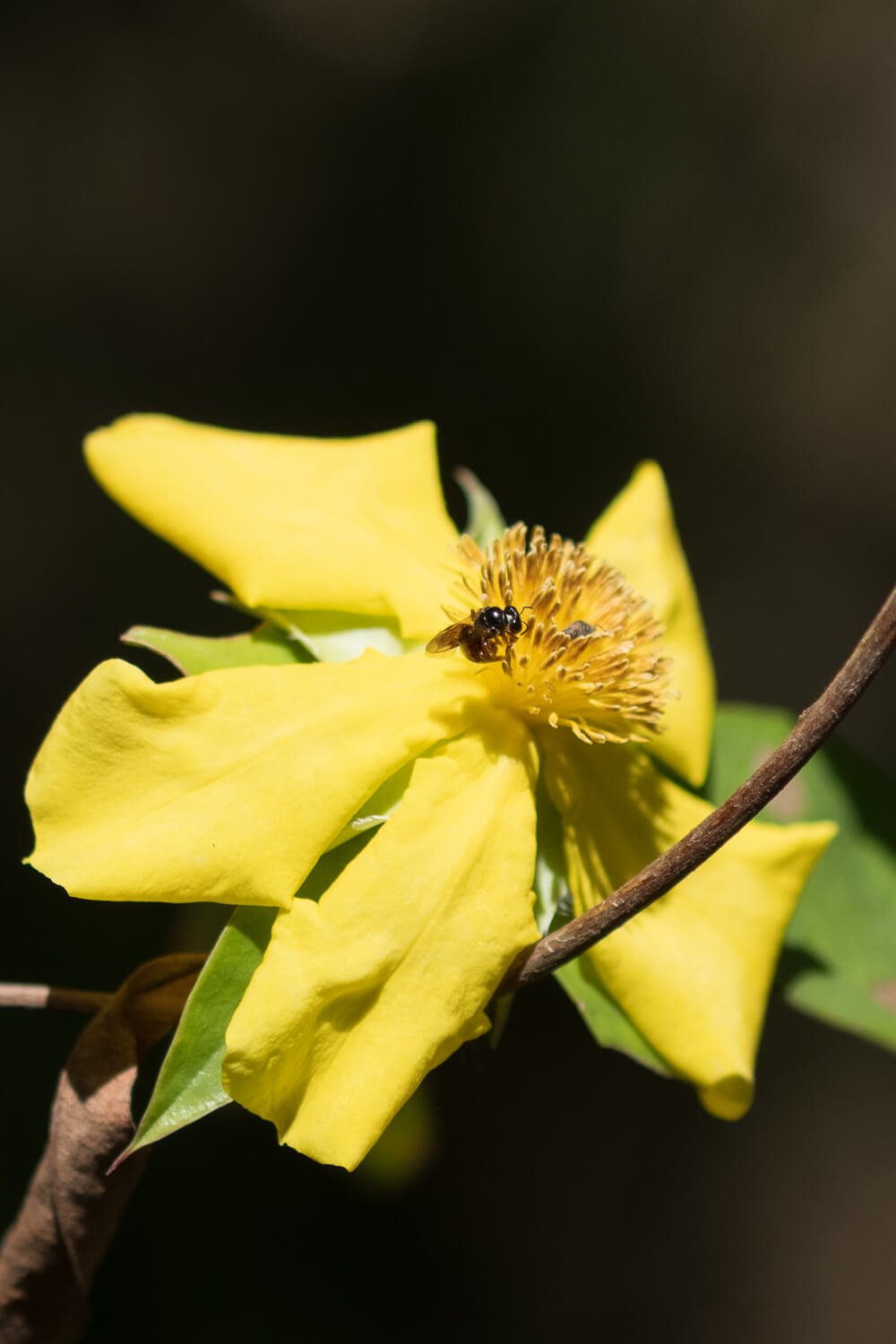
Plants. The forest tracks pass through littoral rainforest, with cabbage tree palms, lilli pilli and vines under tall eucalypts, and elkhorns growing on the trees. Mangroves line the estuary edge. Look for Illawarra plum and seaberry saltbush too.